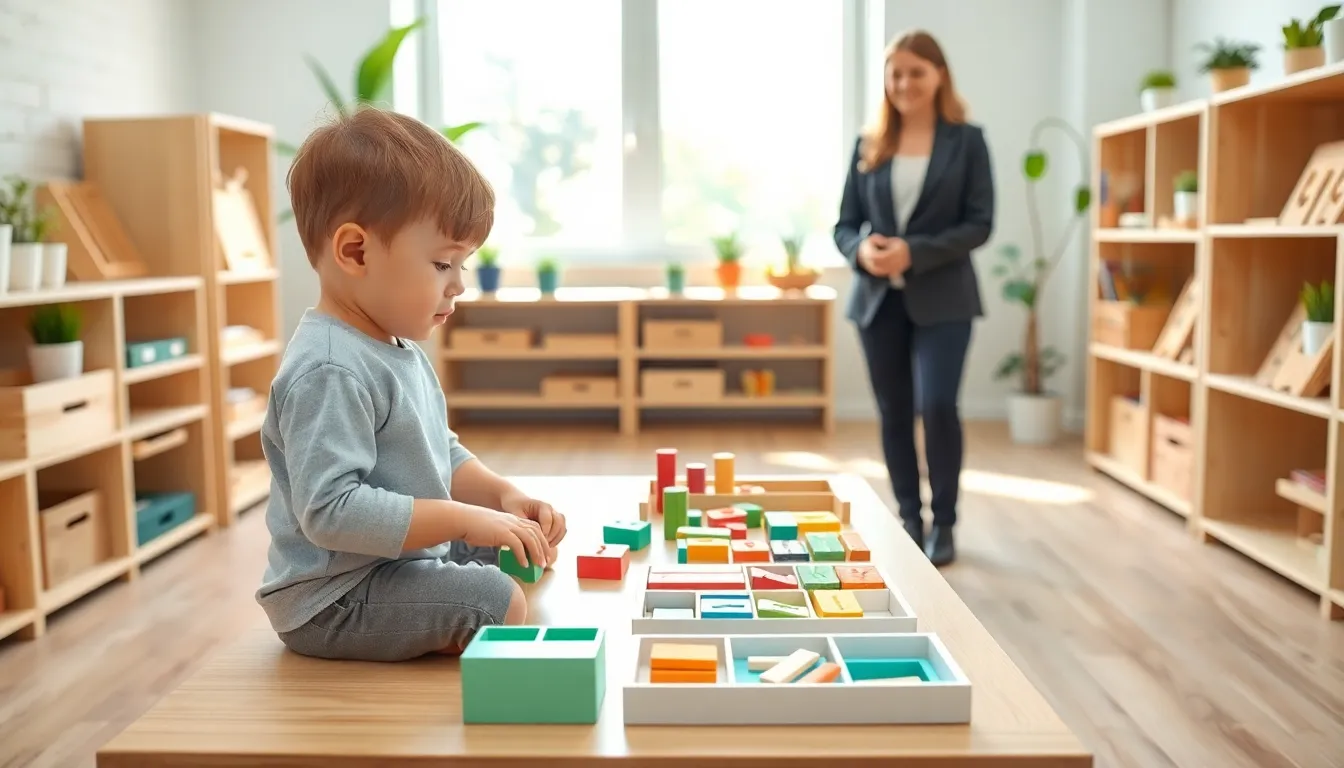
Montessori techniques offer a proven approach to education that puts children at the center of their own learning. Developed over a century ago by Dr. Maria Montessori, these methods continue to shape classrooms and homes worldwide. The approach respects each child’s natural curiosity and developmental pace.
Unlike traditional teaching models, Montessori techniques focus on independence, hands-on exploration, and self-directed activity. Children learn by doing, not by sitting passively while an adult lectures. This article breaks down the core principles, essential techniques, and real benefits of applying Montessori methods in classrooms and at home.
Table of Contents
ToggleKey Takeaways
- Montessori techniques prioritize child-led learning, hands-on exploration, and independence over traditional passive instruction.
- A prepared environment with child-height furniture, accessible materials, and intentional organization forms the foundation of effective Montessori methods.
- Children learn best during sensitive periods—specific windows when they’re naturally receptive to skills like language, order, or movement.
- Self-correcting materials allow children to identify and fix their own mistakes, building problem-solving skills without constant adult intervention.
- Research shows Montessori techniques lead to stronger executive function, better academic performance, and a lasting love of learning.
- Parents can apply Montessori techniques at home using simple household items and offering children meaningful choices in their activities.
Core Principles Behind Montessori Methods
Montessori techniques rest on a few foundational ideas. Understanding these principles helps parents and educators apply the methods effectively.
Respect for the Child
Montessori education treats children as capable individuals. Adults serve as guides, not directors. They observe, support, and step back when appropriate. This respect builds confidence and encourages children to take ownership of their learning.
Absorbent Mind
Dr. Montessori observed that young children absorb information from their environment effortlessly. From birth to age six, children soak up language, culture, and skills without formal instruction. Montessori techniques leverage this natural capacity by creating rich, stimulating environments.
Sensitive Periods
Children go through specific windows of time when they’re especially receptive to certain skills, like language, order, or movement. Montessori techniques align activities with these sensitive periods. A child fascinated by letters, for example, gets access to alphabet materials at that moment.
Intrinsic Motivation
Montessori classrooms minimize external rewards like stickers or grades. Instead, the work itself becomes the reward. Children develop internal motivation and genuine interest in learning. This principle shapes how activities are presented and how progress is measured.
Freedom Within Limits
Children have freedom to choose their activities, but clear boundaries exist. A child might select any work from the shelf, but they must complete it and return materials properly. This balance teaches responsibility alongside independence.
Essential Montessori Techniques for the Classroom and Home
Several practical Montessori techniques translate easily from classroom to home. These methods create an environment where children thrive.
Prepared Environment
The prepared environment forms the foundation of Montessori techniques. Every element serves a purpose. Furniture sits at child height. Materials occupy low, accessible shelves. The space stays organized, beautiful, and free of clutter.
Adults design the environment intentionally. They rotate materials based on the child’s current interests and developmental stage. Natural light, plants, and real objects (not plastic toys) fill the space.
At home, parents can apply this technique by creating a child-accessible area. A low shelf with a few carefully chosen activities works well. Keep the space tidy and rotate items every few weeks to maintain interest.
Hands-On Learning Materials
Montessori techniques rely heavily on tactile, sensory-rich materials. Children learn math with physical beads. They trace sandpaper letters before writing. They pour water, sort objects, and manipulate shapes.
These materials are self-correcting. A child stacking the pink tower notices immediately if a block is out of order. This design allows children to identify and fix their own mistakes without adult intervention.
Specific Montessori materials include:
- Practical life activities: Pouring, buttoning, folding, sweeping
- Sensorial materials: Color tablets, sound cylinders, geometric solids
- Math materials: Number rods, golden beads, spindle boxes
- Language materials: Sandpaper letters, movable alphabet, object boxes
Parents don’t need expensive official materials. Simple household items work well. A child can practice pouring with a small pitcher. They can sort buttons by size or color.
Child-Led Exploration
Montessori techniques prioritize child-led learning. Children choose their own work from available options. They decide how long to spend on an activity. They follow their interests rather than an adult’s agenda.
The adult’s role shifts to observer and facilitator. Teachers present new materials through brief demonstrations. Then they step back. They watch, take notes, and prepare future lessons based on what they observe.
This technique requires patience. A child might spend an entire morning pouring water back and forth. That’s fine. The repetition serves their developmental needs. Adults resist the urge to redirect or hurry the process.
At home, parents can offer two or three activity choices and let the child decide. They can ask, “Would you like to work with the puzzle or the sorting tray?” This simple shift honors the child’s autonomy.
Benefits of Applying Montessori Techniques
Research and observation support the effectiveness of Montessori techniques. Children who learn through these methods often develop distinct advantages.
Independence and Self-Confidence
Montessori techniques build capable, confident children. Kids learn to dress themselves, prepare snacks, and solve problems without constant adult help. This independence extends beyond practical skills into academic learning.
Stronger Executive Function
Studies show Montessori students often develop better executive function skills. They plan, focus, and regulate their behavior more effectively. The freedom-with-limits structure teaches self-discipline naturally.
Love of Learning
Without grades and external rewards, children maintain their natural curiosity. Montessori techniques keep learning joyful rather than stressful. Many Montessori students become lifelong learners who pursue knowledge for its own sake.
Social Skills and Empathy
Montessori classrooms typically mix ages. Older children help younger ones. Everyone practices grace and courtesy. These interactions build empathy, patience, and communication skills.
Academic Achievement
Research comparing Montessori and traditional students shows positive outcomes. A 2017 study in Frontiers in Psychology found Montessori preschoolers outperformed peers in reading, math, and executive function. The benefits held across socioeconomic backgrounds.
Adaptability
Montessori techniques prepare children for real-world challenges. They learn to work independently, collaborate with others, and approach problems creatively. These skills transfer well beyond the classroom.