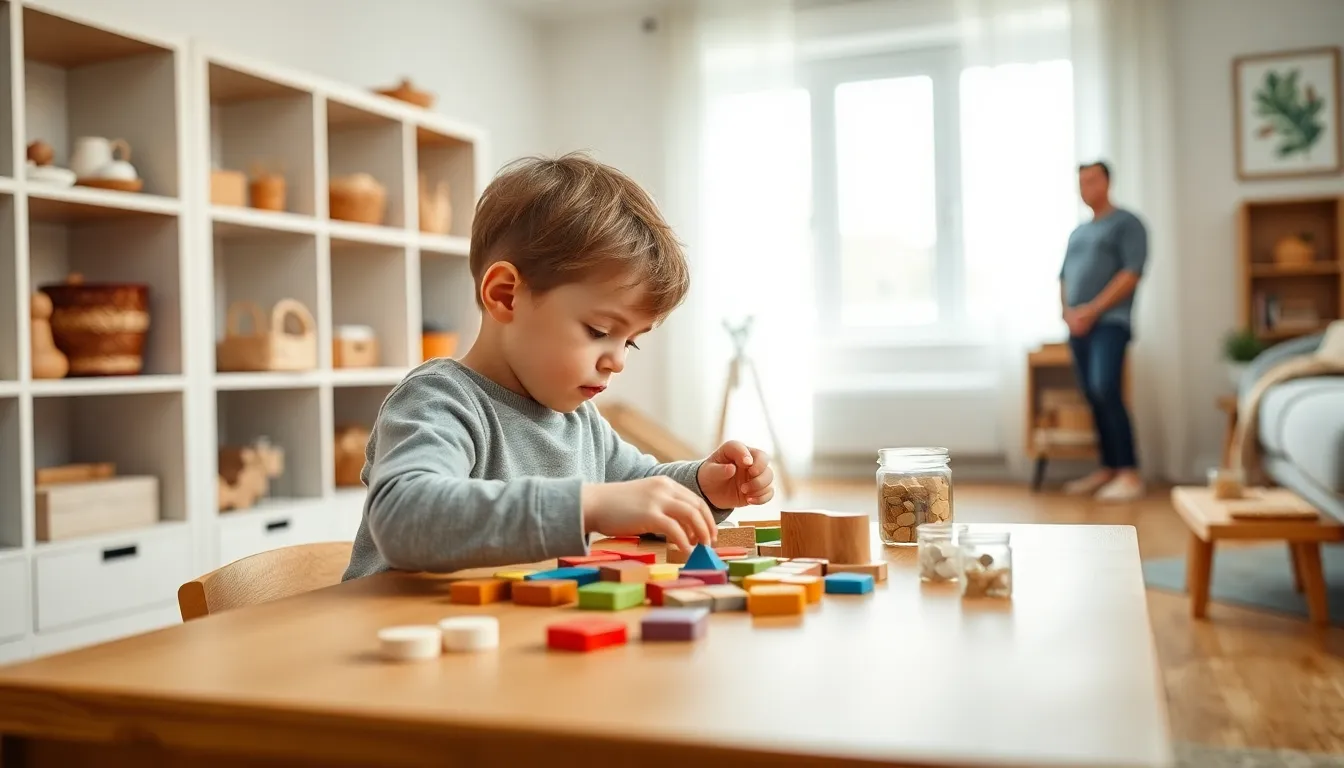
Learning how to Montessori at home doesn’t require a teaching degree or a complete nursery overhaul. The Montessori method is a child-centered approach to education developed by Dr. Maria Montessori over a century ago. It emphasizes hands-on learning, independence, and respect for a child’s natural development. Parents worldwide are adopting Montessori principles because they work, children become confident, curious, and capable learners. This guide breaks down the essentials for beginners. It covers core principles, practical home setup tips, age-appropriate activities, and common pitfalls to avoid.
Table of Contents
ToggleKey Takeaways
- Learning how to Montessori at home starts with creating child-sized, organized spaces that encourage independence.
- The Montessori method emphasizes hands-on learning, respect for the child, and freedom within clear boundaries.
- Match activities to your child’s developmental stage—sensory play for infants, practical life tasks for toddlers, and more complex materials for preschoolers.
- Resist the urge to over-correct or rescue your child; struggling builds problem-solving skills and confidence.
- You don’t need expensive materials—everyday household items like muffin tins, pitchers, and measuring cups work perfectly.
- Observe your child’s interests and follow their lead to create intrinsic motivation and engagement.
Understanding the Core Principles of Montessori
The Montessori method rests on several key principles that guide everything from classroom setup to daily interactions.
Respect for the Child
Montessori treats children as capable individuals. Adults observe rather than direct. They offer guidance when needed but trust children to make choices about their learning.
The Prepared Environment
Every Montessori space is intentionally designed. Materials sit at child height. Items have designated places. The environment invites exploration and allows children to work independently.
The Absorbent Mind
Dr. Montessori observed that young children absorb information effortlessly from their surroundings. Birth to age six represents a critical period when children learn language, movement, and social skills naturally. The Montessori method capitalizes on this window.
Sensitive Periods
Children go through phases where they show intense interest in specific skills, order, language, movement, or small objects. Montessori educators recognize these sensitive periods and provide appropriate materials to support them.
Freedom Within Limits
Montessori isn’t a free-for-all. Children choose their activities, but clear boundaries exist. A child might select which puzzle to work on but must return it to the shelf before choosing another. This structure builds responsibility alongside autonomy.
Creating a Montessori-Friendly Environment at Home
Parents can apply how to Montessori principles without buying expensive equipment. The goal is creating spaces where children can function independently.
Child-Sized Furniture
Low shelves, small tables, and appropriately sized chairs allow children to access materials without help. A floor bed lets toddlers get up independently. These simple changes shift power to the child.
Organized Spaces
Montessori environments feature minimal clutter. Display a few toys or activities on open shelves rather than stuffing everything into bins. Rotate materials every few weeks to maintain interest.
Practical Life Stations
Set up areas where children can participate in real tasks. A low hook holds their coat. A small pitcher sits in the refrigerator for self-serve water. A step stool at the sink enables hand washing. These setups take minutes but transform daily routines.
Natural Materials
Montessori favors wood, metal, glass, and fabric over plastic. Natural materials provide sensory feedback and durability. A wooden spoon feels different than a plastic one, children notice.
Beauty and Order
The environment should feel calm and inviting. Plants, artwork at child height, and neutral colors create spaces where children want to spend time. Order isn’t about perfection: it’s about predictability that helps children feel secure.
Choosing Age-Appropriate Montessori Activities
Knowing how to Montessori means matching activities to developmental stages. Here’s what works at different ages.
Infants (0-12 months)
Focus on sensory experiences. Black-and-white contrast cards stimulate vision. Grasping toys like wooden rings develop motor skills. Mobiles encourage tracking. Simple cause-and-effect toys (shake it, it rattles) build understanding.
Toddlers (1-3 years)
Practical life activities shine here. Toddlers can pour water between small pitchers, sort objects by color, and practice using tongs or tweezers. Simple puzzles, stacking toys, and threading beads develop fine motor coordination.
Preschoolers (3-6 years)
Introduce more complex Montessori materials. Sandpaper letters teach phonics through touch. Number rods make math concrete. Practical life expands to food preparation, plant care, and cleaning tasks. Art supplies allow creative expression.
The Three-Period Lesson
Montessori uses a specific teaching technique. First, name the object (“This is a triangle”). Second, ask the child to identify it (“Show me the triangle”). Third, have the child recall the name (“What is this?”). This sequence works for vocabulary, sounds, numbers, and concepts.
Encouraging Independence and Self-Directed Learning
Independence sits at the heart of how to Montessori works. Children who do things themselves develop confidence and competence.
Slow Down and Wait
The hardest part for parents? Not jumping in. When a child struggles with a zipper, wait. Offer encouragement, not rescue. Struggling builds problem-solving skills. Success after effort feels better than having someone do it for you.
Offer Limited Choices
“Do you want to wear the red shirt or the blue shirt?” beats “What do you want to wear?” Two or three options give children control without overwhelming them.
Demonstrate, Don’t Explain
Montessori emphasizes showing over telling. Want to teach a child to fold a towel? Slowly demonstrate the process without narrating every step. Children absorb more from watching than listening.
Follow the Child
Observe what interests your child. If they’re fascinated by bugs, provide books about insects, a magnifying glass, and outdoor exploration time. Following their lead creates intrinsic motivation.
Allow Natural Consequences
Didn’t put toys away? They might get stepped on. Forgot to water the plant? It wilted. Natural consequences teach responsibility more effectively than lectures.
Common Mistakes to Avoid When Starting Montessori
Beginners learning how to Montessori often stumble in predictable ways. Avoid these pitfalls.
Buying Too Much, Too Fast
Expensive Montessori materials aren’t necessary. Start with what you have. A muffin tin and pom-poms create a sorting activity. Measuring cups in a water basin teach pouring. Fancy purchases can wait.
Over-Correcting the Child
Montessori calls for “control of error” built into materials, the child realizes their mistake without adult intervention. Resist correcting every small error. Let the child discover and self-correct.
Expecting Perfection
A two-year-old will spill while pouring. That’s fine. The process matters more than the outcome. Keep a small towel nearby for cleanup and move on without frustration.
Ignoring Your Own Needs
Montessori works best when parents feel calm and present. Taking on too many activities leads to burnout. Start with one or two changes. Build gradually.
Being Inconsistent
Montessori requires consistency. If children can access toys independently sometimes but not others, confusion results. Establish routines and stick to them.
Forgetting to Observe
Parents often plan activities based on what they think children should learn. Instead, watch your child. What draws their attention? What do they repeat? Observation reveals readiness better than any age chart.