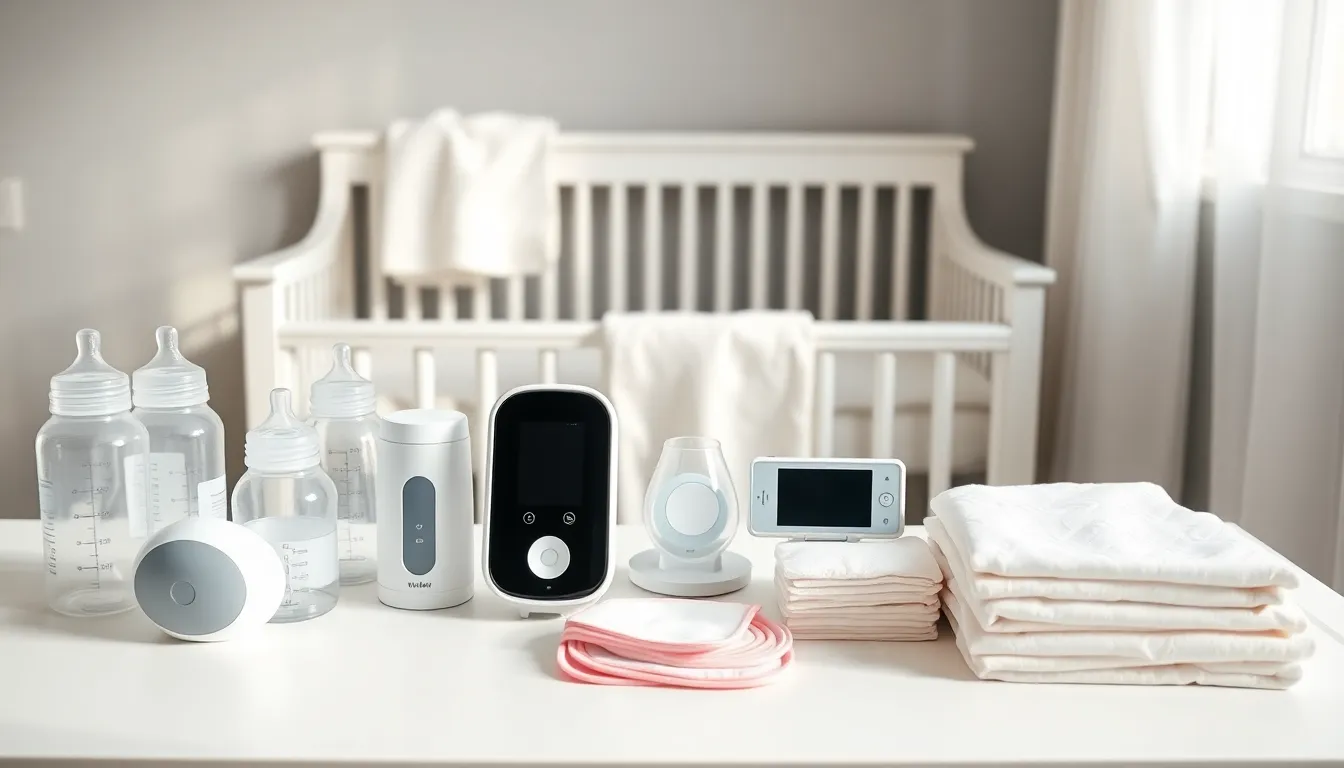
New parents face a long shopping list of baby tools before their little one arrives. The right gear makes daily care easier and keeps infants safe. From feeding bottles to baby monitors, each item serves a specific purpose in a child’s early development.
This guide covers the essential baby tools every family should consider. Parents will learn about feeding supplies, diapering necessities, safety devices, and sleep aids. The goal is simple: help caregivers make informed choices without feeling overwhelmed by endless product options.
Table of Contents
ToggleKey Takeaways
- Essential baby tools include feeding supplies, diapering necessities, safety devices, and sleep aids to support daily infant care.
- Anti-colic bottles, slow-flow nipples, and BPA-free materials are top priorities when selecting feeding baby tools for newborns.
- Safety-focused baby tools like rear-facing car seats, baby monitors, and childproofing supplies protect infants from common household hazards.
- Swaddles, white noise machines, and firm sleeping surfaces help newborns sleep safely for up to 17 hours daily.
- Check for JPMA safety certifications and CPSC recall lists before purchasing new or used baby tools.
- Prioritize quality investment in safety items like car seats and cribs while saving on less critical purchases like clothes and toys.
Feeding Essentials for Infants
Feeding time requires reliable baby tools that support healthy nutrition. Whether parents choose breastfeeding, formula, or a combination, the right equipment makes each meal smoother.
Bottles and Nipples
Quality bottles remain one of the most important baby tools for new families. Look for BPA-free plastic or glass options. Anti-colic bottles reduce air intake during feeding, which helps prevent gas and fussiness. Most pediatricians recommend having 6-8 bottles on hand for daily rotations.
Nipples come in different flow rates. Newborns need slow-flow nipples to prevent choking. As babies grow, parents can switch to medium and fast-flow options.
Breast Pumps and Storage
Breastfeeding mothers benefit from a quality breast pump. Electric pumps offer convenience for working parents, while manual pumps work well for occasional use. The Affordable Care Act requires most insurance plans to cover breast pumps, so parents should check their coverage.
Breast milk storage bags and containers keep expressed milk fresh. Proper storage baby tools extend milk life up to 6 months in a freezer.
High Chairs and Feeding Accessories
Once babies start solid foods around 6 months, a sturdy high chair becomes essential. Adjustable models grow with the child and offer better long-term value. Soft-tipped spoons, silicone bibs, and suction bowls round out the feeding toolkit.
Diapering and Hygiene Supplies
Parents change approximately 2,500 diapers in a baby’s first year alone. Having the right baby tools for diapering and hygiene saves time and keeps infants comfortable.
Diaper Changing Station
A dedicated changing area keeps all supplies within arm’s reach. Most parents use a changing pad on a dresser or a standalone changing table. Contoured pads with raised edges prevent rolling. Waterproof covers protect against messes.
Diapers and Wipes
Disposable diapers remain popular for their convenience. Cloth diapers offer an eco-friendly alternative and cost savings over time. Either choice requires a well-stocked supply, newborns go through 10-12 diapers daily.
Fragrance-free baby wipes work best for sensitive skin. Some parents prefer water wipes made with minimal ingredients. A wipe warmer counts as an optional baby tool that some families swear by for winter months.
Bath Time Baby Tools
Infant bathtubs with built-in supports keep newborns secure during washing. As babies grow, bath seats provide stability in regular tubs. Essential baby tools for bath time include:
- Soft washcloths
- Gentle baby soap and shampoo
- Hooded towels for warmth
- Soft-bristled brushes for cradle cap
- Baby nail clippers or files
A bath thermometer helps parents maintain safe water temperatures between 98-100°F.
Safety and Monitoring Devices
Safety-focused baby tools give parents peace of mind while protecting infants from household hazards. Modern technology offers solutions that previous generations never had.
Baby Monitors
Audio monitors let parents hear their baby from another room. Video monitors add visual confirmation that the infant is sleeping safely. Smart baby tools now connect to smartphones, allowing parents to check on their child from anywhere with WiFi.
Some advanced monitors track breathing movements and sleep patterns. These baby tools alert parents if irregularities occur. While not medically certified, many families find them reassuring during the newborn phase.
Car Seats
A properly installed car seat is non-negotiable. Infant car seats face rearward and accommodate babies from birth to about 35 pounds. Many hospitals won’t discharge newborns without verifying a car seat is present.
Convertible car seats extend usability from infancy through toddlerhood. Parents should check expiration dates and ensure their baby tools meet current safety standards.
Childproofing Supplies
Before babies become mobile, parents should gather childproofing baby tools:
- Outlet covers
- Cabinet locks
- Corner guards for furniture
- Baby gates for stairs
- Door handle covers
Anchoring straps prevent furniture from tipping, a critical safety measure once babies start pulling themselves up.
Sleep and Comfort Tools
Newborns sleep up to 17 hours daily, making sleep-related baby tools some of the most used items in any household.
Cribs and Bassinets
A firm, flat sleeping surface follows safe sleep guidelines from the American Academy of Pediatrics. Bassinets work well for the first few months when parents want baby nearby. Full-size cribs last until children transition to toddler beds around age 2-3.
Skip the soft bedding, pillows, and bumpers. A fitted sheet over a firm mattress provides the safest sleep environment.
Swaddles and Sleep Sacks
Swaddling baby tools help newborns feel secure and reduce the startle reflex that wakes them. Velcro swaddles simplify the wrapping process compared to traditional blankets. Once babies start rolling (usually around 2-4 months), parents switch to sleep sacks with arm holes.
White Noise Machines
White noise machines recreate the whooshing sounds babies heard in the womb. These baby tools help infants fall asleep faster and stay asleep longer. Many parents consider them essential, not optional.
Rockers and Swings
Baby swings and bouncers provide soothing motion that calms fussy infants. Some models vibrate, play music, or connect to smartphone apps. While babies shouldn’t sleep in these baby tools overnight, they offer parents a hands-free moment during the day.
How to Choose Quality Baby Products
With thousands of baby tools available, parents need strategies for making smart purchases.
Check Safety Certifications
Look for products tested by the Juvenile Products Manufacturers Association (JPMA). The Consumer Product Safety Commission (CPSC) maintains recall lists that parents should review before buying used baby tools.
Read Real Reviews
Other parents offer the best insights. Focus on reviews from verified purchasers who’ve used baby tools for several months. Look for patterns in complaints, if multiple reviewers mention the same issue, it’s worth noting.
Consider Longevity
Some baby tools serve their purpose for just a few months. Others grow with children for years. Convertible products often cost more upfront but save money long-term. Examples include:
- Convertible car seats (infant through booster)
- Adjustable high chairs
- Cribs that transform into toddler beds
Set a Budget, But Prioritize Safety
Parents don’t need the most expensive baby tools to care for their child well. But, safety items like car seats and cribs deserve quality investment. Save money on clothes and toys: spend wisely on protective gear.
Ask Other Parents
Friends and family with young children know which baby tools actually get used. They can also share what they wish they’d skipped. This firsthand knowledge beats marketing claims every time.