Montessori trends 2026 point toward significant shifts in how children learn and grow. The method, developed over a century ago, continues to evolve with modern needs. Parents and educators want approaches that respect children’s natural curiosity while preparing them for a changing world.
This year brings fresh developments across Montessori education. Schools are rethinking outdoor learning, reconsidering technology’s role, and expanding access to public settings. At the same time, families are bringing Montessori principles into their homes. These Montessori trends 2026 reflect a broader movement toward child-centered, purposeful education.
Table of Contents
ToggleKey Takeaways
- Montessori trends 2026 highlight a surge in nature-based learning, with schools dedicating more hours to outdoor classrooms, gardens, and forest programs.
- Technology is being adopted thoughtfully in Montessori settings—used as a tool for creation rather than passive consumption, especially for older students.
- Public Montessori programs are expanding rapidly across the U.S., offering affordable access to child-centered education for more families.
- Social-emotional development and inclusivity are receiving renewed focus, with schools adding peace corners, diverse materials, and trauma-informed practices.
- Parent education is growing as families seek to bring Montessori principles home through workshops, online resources, and coaching services.
- Even small changes at home—like offering choices and respecting concentration—can reinforce Montessori values without major investments.
Increased Integration of Nature-Based Learning
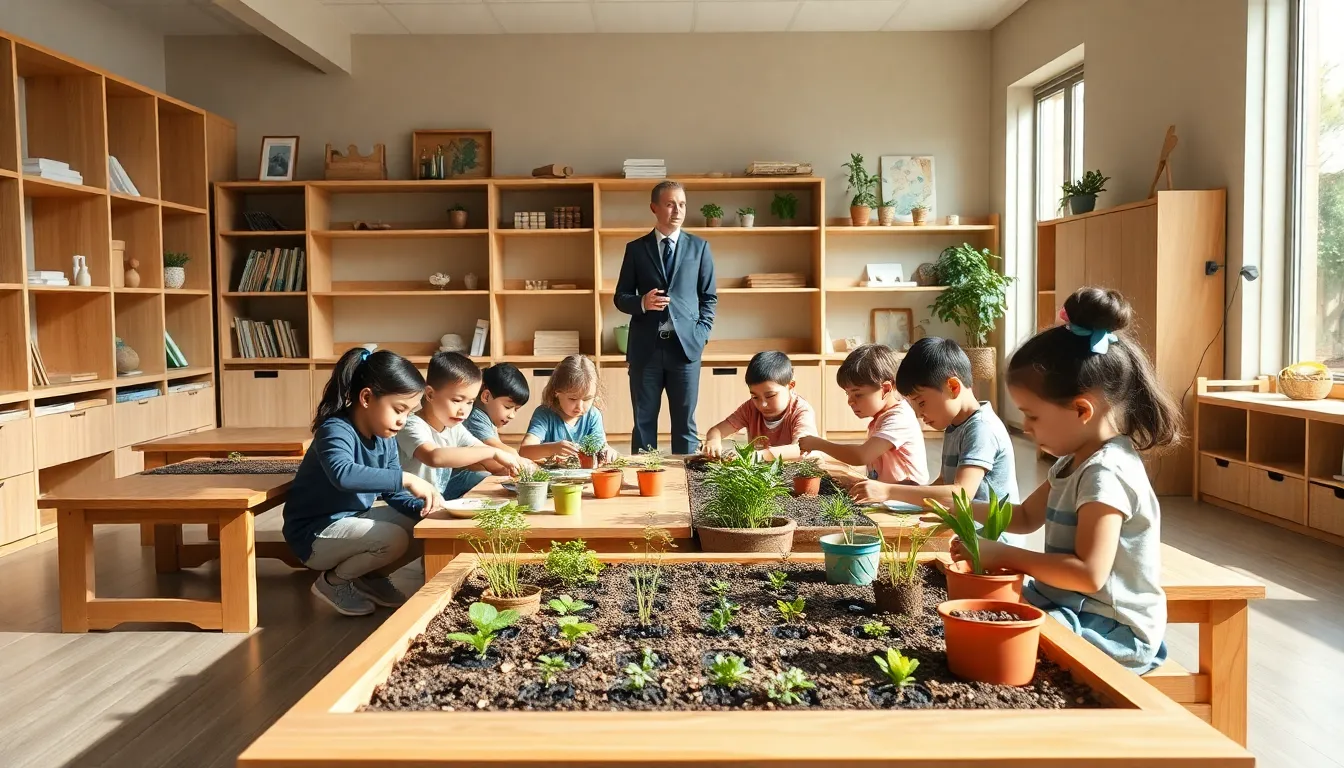
Nature-based learning stands out among Montessori trends 2026. Schools are creating outdoor classrooms, gardens, and forest programs at record rates. This shift reflects research showing that children learn better when they spend time outside.
Montessori educators have always valued connection to the natural world. Maria Montessori wrote extensively about children’s need for outdoor experiences. But today’s schools are taking this further. Many programs now dedicate several hours daily to outdoor instruction.
Practical activities drive this trend. Children plant vegetables, observe insects, and track weather patterns. These experiences build scientific thinking and environmental awareness. They also support physical development and reduce stress.
Urban Montessori schools face unique challenges here. Limited outdoor space requires creative solutions. Some schools partner with local parks. Others build rooftop gardens or bring nature indoors through plants and natural materials. The key is consistent exposure to living systems.
Parents report that children in nature-focused Montessori programs show improved focus and emotional regulation. These Montessori trends 2026 align with growing concerns about screen time and sedentary lifestyles. Outdoor learning offers a clear alternative.
Technology as a Thoughtful Supplement
Technology use in Montessori classrooms generates ongoing debate. Traditional Montessori materials emphasize hands-on, sensory learning. Screens seem to contradict this approach. Yet Montessori trends 2026 show a more balanced perspective emerging.
Many schools now use technology for specific, limited purposes. Digital tools support research projects, virtual field trips, and communication with families. Some upper elementary classrooms introduce coding through physical programming toys before moving to screens.
The key distinction is passive versus active use. Watching videos differs from creating digital presentations. Montessori educators increasingly accept technology when children use it as a tool for production rather than consumption.
Age matters in these decisions. Most Montessori schools keep screens away from children under six. Older students gain gradual access with clear boundaries. This approach respects developmental stages while preparing children for a digital world.
Montessori trends 2026 also include digital resources for teachers. Online training, curriculum planning tools, and parent communication platforms help educators work more efficiently. Technology serves the adults so children can focus on hands-on learning.
This balanced approach reflects Montessori’s core principle: follow the child. Technology enters only where it genuinely supports learning goals.
Growing Demand for Montessori in Public Schools
Public Montessori programs are expanding rapidly. This represents one of the most significant Montessori trends 2026 for families seeking affordable options. Currently, over 500 public Montessori schools operate across the United States. That number continues to grow.
Several factors drive this expansion. Parents increasingly request alternatives to conventional instruction. District leaders see Montessori’s track record of academic and social outcomes. Federal funding streams now support diverse educational models.
Public Montessori schools face distinct implementation challenges. Class sizes often exceed ideal Montessori ratios. Teachers may lack specialized training. Budget constraints limit material purchases. Even though these obstacles, many public programs achieve strong results.
Some districts create magnet Montessori schools that draw students from across the region. Others integrate Montessori methods into neighborhood schools. Both approaches bring child-centered education to families who couldn’t otherwise afford it.
Teacher training presents an ongoing concern. Authentic Montessori implementation requires extensive preparation. Many public school teachers complete condensed training programs that cover basics but miss depth. Quality varies significantly between programs.
Montessori trends 2026 include efforts to address this gap. Universities are developing more accessible certification pathways. Districts are investing in ongoing professional development. The goal is consistent quality across public and private settings.
Focus on Social-Emotional Development and Inclusivity
Social-emotional learning has always been central to Montessori education. Mixed-age classrooms naturally teach cooperation, empathy, and conflict resolution. But Montessori trends 2026 show renewed emphasis on these skills.
Schools are explicitly addressing emotional vocabulary and regulation strategies. Peace corners, where children can calm down and reflect, appear in more classrooms. Teachers receive additional training in supporting children through difficult emotions.
Inclusivity efforts are also expanding. Montessori’s individualized approach naturally accommodates different learning styles and paces. Now schools are going further. They’re adapting materials for children with disabilities, training staff in trauma-informed practices, and examining curriculum for diverse representation.
Some Montessori programs actively recruit students from varied backgrounds. Scholarship programs, sliding-scale tuition, and partnerships with social services bring economic diversity. This matters because Maria Montessori originally worked with disadvantaged children in Rome.
Montessori trends 2026 reflect broader conversations about belonging in schools. Children learn better when they see themselves in their classroom. Materials now include diverse images, books feature varied family structures, and cultural celebrations extend beyond dominant traditions.
These changes require ongoing effort. Teachers examine their own assumptions. Schools audit their practices. The work is continuous, but the direction is clear.
Parent Education and Home Montessori Practices
Parent involvement shapes Montessori trends 2026 in meaningful ways. Families increasingly want to extend Montessori principles beyond school hours. Schools are responding with workshops, resources, and coaching.
Home environment matters in Montessori philosophy. Child-sized furniture, accessible shelves, and organized spaces support independence. Parents learn to set up practical life activities at home. Simple tasks like pouring water, folding clothes, and preparing snacks build confidence and motor skills.
Online resources have multiplied. Blogs, courses, and social media accounts offer guidance for Montessori parenting. Some schools create their own digital libraries for families. This information helps parents understand what happens in the classroom and how to support it.
Montessori trends 2026 also include parent coaching services. Educators offer consultations to help families solve specific challenges. Sleep, meals, sibling conflicts, and screen time are common topics. Montessori principles provide practical frameworks for everyday parenting decisions.
School-home communication has improved as well. Apps and platforms keep parents informed about their child’s work. Photos and updates help families continue conversations at home. This connection strengthens learning outcomes.
Not every family can carry out full Montessori practices at home. That’s okay. Even small changes make a difference. Offering choices, allowing extra time for tasks, and respecting children’s concentration all reflect Montessori values. Parents appreciate knowing they can contribute without major investments.