Babies trends 2026 are shaping up to be practical, tech-forward, and earth-conscious. New parents and expectant families want products and approaches that match their values. They’re looking for gear that works, styles that last, and choices that feel right for their growing families.
This year brings shifts in how people outfit nurseries, dress their little ones, and think about infant wellness. From sustainable materials to smart monitors, the babies trends 2026 lineup reflects what modern parents actually need. Here’s what’s coming, and why it matters.
Table of Contents
ToggleKey Takeaways
- Babies trends 2026 prioritize sustainability, with parents choosing organic cotton, bamboo, reusable diapers, and secondhand gear to reduce environmental impact.
- Smart baby tech like connected monitors, wearable sensors, and AI-powered tracking apps gives parents real-time insights while raising important data privacy considerations.
- Minimalist parenting and capsule wardrobes help families save money, reduce clutter, and focus on fewer high-quality items that truly serve their babies.
- Gender-neutral nursery designs and earth-tone palettes are replacing traditional pink-and-blue schemes, offering flexibility and modern style.
- Holistic infant wellness—including baby massage, clean-label foods, and gentle skincare—reflects parents’ desire to nurture physical, emotional, and developmental health together.
- The babies trends 2026 lineup shows modern parents want practical, intentional choices that align with their values and simplify daily life.
Sustainable and Eco-Friendly Baby Products
Sustainability isn’t a passing phase for baby products, it’s becoming the standard. Parents in 2026 are choosing items made from organic cotton, bamboo, recycled plastics, and biodegradable materials. They want to know where products come from and how they’re made.
Brands are responding with transparency. Many now share supply chain details and certifications on packaging. Look for labels like GOTS (Global Organic Textile Standard) and OEKO-TEX when shopping for baby clothes and bedding.
Reusable diapers are gaining ground again. Modern cloth diaper systems are easier to use than older versions, and diaper services have expanded in many cities. Disposable options made from plant-based materials offer another eco-friendly choice for families who prefer convenience.
Baby toys and teethers made from natural rubber, untreated wood, and food-grade silicone are popular picks. These materials avoid the chemicals found in some plastic toys, and they hold up well to baby drool and chewing.
Secondhand shopping is also on the rise. Parents are buying and selling gently used baby gear through apps and local groups. This approach saves money and keeps usable items out of landfills. The babies trends 2026 push toward sustainability reflects a larger cultural shift, parents want to leave a healthier planet for their children.
Smart Baby Tech and Connected Nurseries
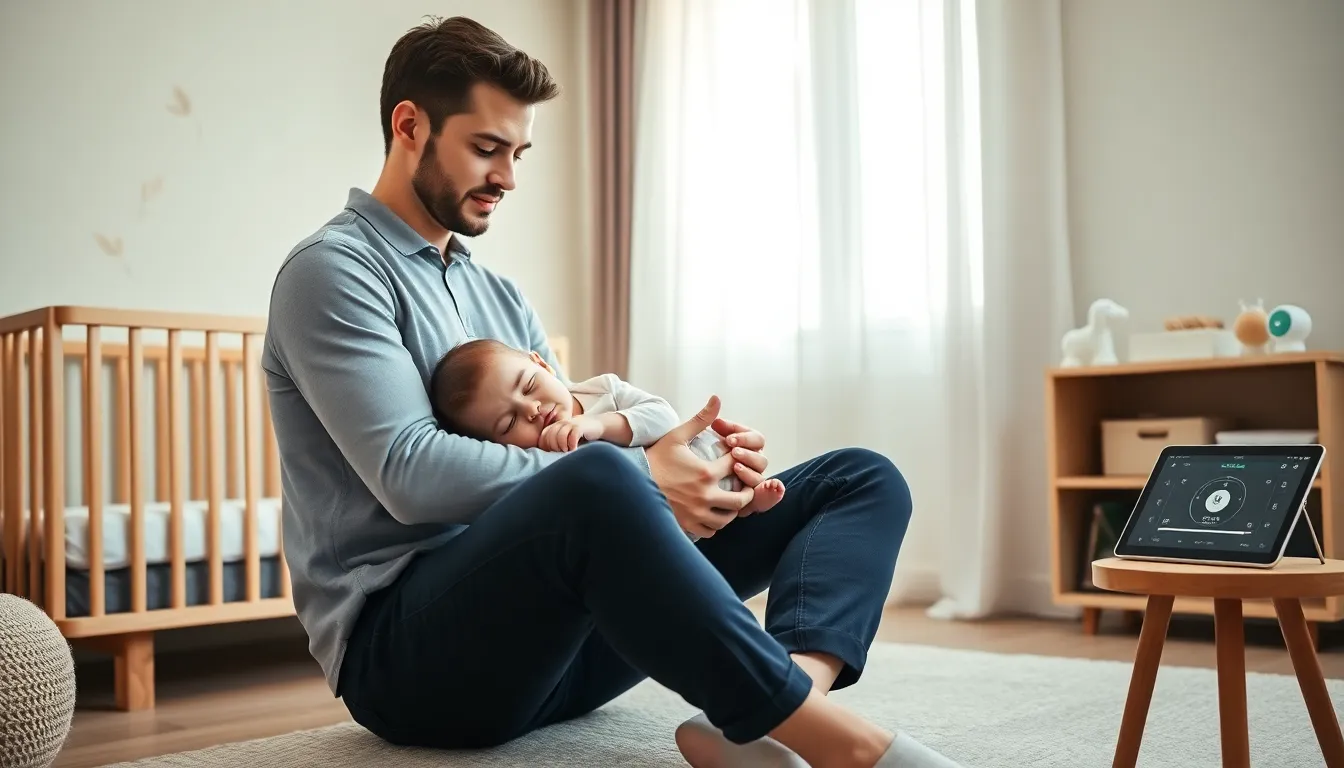
Technology continues to change how parents monitor and care for infants. Smart baby monitors now track breathing, sleep patterns, heart rate, and room temperature. These devices send alerts to smartphones, giving parents peace of mind without constant room checks.
Connected nurseries are becoming more common. Parents can control sound machines, night lights, and room thermostats from a single app. Some cribs even rock automatically when they detect baby movement or fussing.
Wearable tech for babies has improved too. Smart socks and onesies monitor vital signs and send data to parent devices. While some pediatricians advise caution about over-reliance on these tools, many parents find them reassuring, especially for newborns or babies with health concerns.
AI-powered baby apps help track feeding schedules, diaper changes, and sleep logs. They can spot patterns and offer suggestions based on the data parents enter. These tools are useful for coordinating care between multiple caregivers.
Privacy matters with all this tech. Parents should check how companies store and use baby data before buying connected devices. The best brands offer clear privacy policies and strong encryption. Babies trends 2026 show that parents want helpful technology, but they also want control over their family’s information.
Minimalist Parenting and Capsule Wardrobes
Less is more for many parents this year. Minimalist parenting focuses on buying fewer, higher-quality items instead of filling closets and shelves with stuff. The idea is simple: babies don’t need as much gear as marketing suggests.
Capsule wardrobes for babies are catching on. A capsule wardrobe includes a small collection of versatile pieces that mix and match easily. Think neutral bodysuits, stretchy pants, and layers that work across seasons. This approach cuts down on laundry, saves closet space, and reduces spending.
Parents are also rethinking nursery setups. Instead of elaborate themed rooms, many opt for clean designs with furniture that grows with the child. Convertible cribs that become toddler beds, and dressers that work for years, make practical sense.
The minimalist babies trends 2026 mindset extends to toys too. Rather than piles of plastic, parents choose open-ended toys like blocks, stacking cups, and soft dolls. These items encourage creativity and last longer than single-purpose gadgets.
This shift isn’t about deprivation. It’s about intention. Parents are asking what their babies actually need versus what ads tell them to buy. The result is often a calmer home and a lighter load, both physically and financially.
Gender-Neutral Baby Fashion and Nursery Design
Pink for girls and blue for boys? That divide keeps fading. Gender-neutral baby fashion and nursery design are major babies trends 2026. Parents are choosing colors, patterns, and styles that work for any child.
Earth tones lead the palette: sage green, warm beige, soft terracotta, and creamy whites. These colors create calm nursery spaces and photograph well (a real consideration for social media-savvy parents). Clothing in these shades passes easily between siblings or to other families.
Animal prints, botanical patterns, and geometric designs replace traditional gendered motifs. Stars, rainbows, and nature themes appear on everything from crib sheets to onesies.
Retailers are responding to demand. More brands now organize baby clothes by size or type rather than gender. This makes shopping easier and opens up more options for each child.
For some parents, gender-neutral choices reflect personal values about raising kids without strict gender expectations. For others, it’s purely practical, why buy a whole new wardrobe if the next baby is a different sex?
Either way, the babies trends 2026 point toward flexibility. Parents want choices that feel modern, look good, and make sense for their families.
Holistic Health and Wellness for Infants
Parents are paying close attention to infant wellness beyond basic medical care. Holistic health approaches consider the whole baby, physical, emotional, and developmental needs together.
Baby massage is gaining popularity. Studies suggest it can improve sleep, reduce colic symptoms, and strengthen parent-baby bonding. Many hospitals and community centers now offer infant massage classes for new parents.
Organic and clean-label baby foods are standard expectations. Parents read ingredient lists carefully and avoid artificial additives. Homemade baby food has made a comeback, helped by easy-to-use food processors and freezer storage systems.
Skin care for babies focuses on gentle, fragrance-free products. Parents look for short ingredient lists and avoid common irritants. Conditions like baby eczema drive demand for products with simple, soothing formulas.
Mental wellness for parents ties into baby wellness. The connection is clear: stressed parents struggle to provide calm care. Support groups, postpartum doulas, and mental health resources for new parents are part of the babies trends 2026 conversation.
Sleep remains a central focus. Parents try various approaches, from structured sleep training to responsive settling methods. What matters most is finding what works for each family without judgment from others.