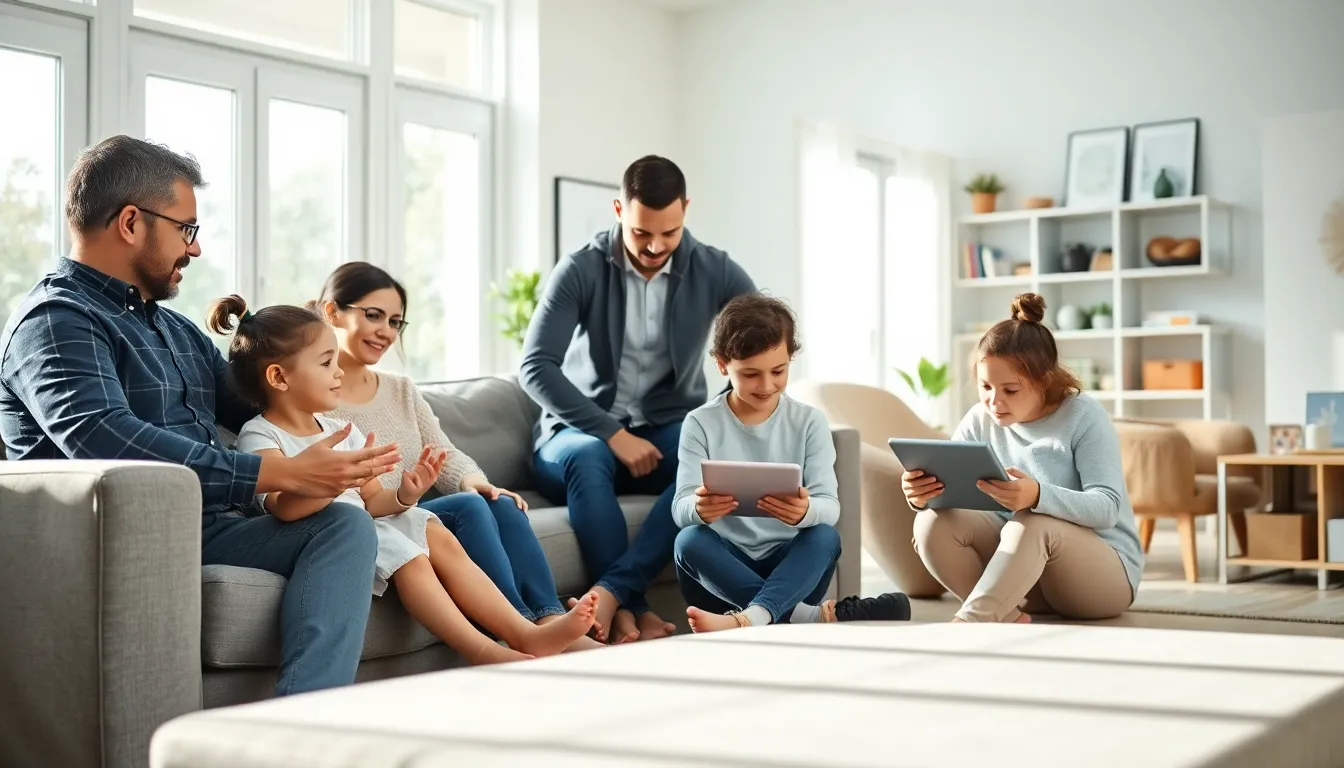
Parenting styles trends 2026 reflect a major shift in how families raise children. Parents today prioritize emotional connection, mental wellness, and balanced screen time. These changes stem from new research on child development and shifting cultural values. Modern families want practical strategies that work in real life, not rigid frameworks from decades past.
This guide covers the parenting styles trends 2026 that matter most. From gentle parenting techniques to community-based approaches, families have more options than ever. Understanding these trends helps parents make informed choices for their children’s growth and well-being.
Table of Contents
ToggleKey Takeaways
- Parenting styles trends 2026 emphasize emotional connection, mental wellness, and balanced screen time over rigid traditional frameworks.
- Gentle and conscious parenting continues to rise, focusing on empathy, natural consequences, and helping children process their emotions.
- Technology-balanced parenting has replaced the “screens are bad” mindset with nuanced strategies like tech-free zones, shared screen time, and digital mentorship.
- Mental health awareness is now central to family dynamics, with parents normalizing therapy and holding regular emotional check-ins with children.
- Community-based parenting is growing as families seek support networks, shared childcare, and increased father involvement to reduce burnout.
- Workplace flexibility and remote work options are enabling parents to share responsibilities more equally and embrace collaborative parenting approaches.
The Rise of Gentle and Conscious Parenting
Gentle parenting continues to gain momentum as a defining trend in 2026. This approach focuses on empathy, respect, and understanding rather than punishment or strict control. Parents who practice gentle parenting set clear boundaries while acknowledging their child’s emotions.
Conscious parenting takes this further. It asks parents to examine their own triggers, biases, and childhood experiences. The goal? Break negative cycles and respond to children with intention rather than reaction.
Key elements of gentle and conscious parenting include:
- Emotion coaching: Parents help children name and process feelings instead of dismissing them
- Natural consequences: Children learn from outcomes rather than arbitrary punishments
- Active listening: Parents give full attention during conversations with their kids
- Modeling behavior: Adults demonstrate the emotional regulation they want children to develop
Research supports this shift in parenting styles trends 2026. Studies show that children raised with gentle parenting methods develop stronger emotional intelligence and better problem-solving skills. They also report closer relationships with their parents as teenagers and adults.
Critics argue gentle parenting can become permissive without proper structure. The most effective practitioners maintain firm boundaries, they just enforce them differently. A parent might say, “I understand you’re frustrated, but hitting isn’t okay. Let’s find another way to express that anger.”
This parenting style requires patience and self-awareness. Many parents in 2026 seek coaching, read books, or join online communities to build these skills.
Technology-Balanced Parenting Approaches
Screen time remains a hot topic in parenting styles trends 2026. But the conversation has matured. Parents have moved beyond simple “screens are bad” thinking toward more nuanced strategies.
Technology-balanced parenting recognizes that digital devices aren’t going away. Children need digital literacy for school and future careers. The question becomes: how do families create healthy relationships with technology?
Successful approaches include:
- Tech-free zones: Bedrooms and dining tables stay device-free
- Shared screen time: Parents watch, play, or browse alongside children
- Digital mentorship: Adults teach critical thinking about online content
- Flexible limits: Rules adapt based on the child’s age, maturity, and specific activities
The American Academy of Pediatrics has updated its guidelines to reflect these parenting styles trends 2026. They now emphasize quality over quantity. Educational games and video calls with grandparents count differently than passive scrolling.
Many families use parental control apps, but the trend moves toward trust and conversation. Older children often respond better to negotiated screen time agreements than strict monitoring. This builds responsibility and reduces conflict.
Parents also model healthy tech habits themselves. Kids notice when adults constantly check phones during dinner or before bed. The most effective families create household rules that apply to everyone, parents included.
One interesting development: some parents now schedule “boring time” for children. Without constant entertainment, kids rediscover creative play, reading, and outdoor activities.
Mental Health-Focused Family Dynamics
Mental health awareness shapes parenting styles trends 2026 in significant ways. Parents discuss anxiety, depression, and stress openly with children. This marks a dramatic change from previous generations.
Families in 2026 prioritize emotional wellness as much as physical health. Regular check-ins about feelings have become normal. Some families hold weekly “rose and thorn” conversations where everyone shares highs and lows.
This trend shows up in several practical ways:
- Therapy normalization: Many families include counseling as routine care, not crisis intervention
- Stress reduction: Parents actively reduce overscheduling and academic pressure
- Self-care modeling: Adults demonstrate healthy coping strategies
- Open dialogue: Mental health topics aren’t taboo or shameful
Schools have responded to these parenting styles trends 2026 as well. Social-emotional learning programs appear in curricula from kindergarten through high school. Parents often reinforce these lessons at home.
The pandemic’s lingering effects accelerated this shift. Children who experienced isolation, anxiety, and disruption during COVID-19 are now school-aged. Their parents witnessed firsthand how mental health challenges affect young people.
Practical applications vary by family. Some create calm-down corners with sensory items. Others teach breathing exercises or mindfulness techniques. Many parents have learned to spot early warning signs of anxiety or depression in children.
This parenting approach does face criticism. Some worry that focusing too much on emotions creates fragile children. Research suggests the opposite, kids who understand and manage their feelings actually show more resilience.
Collaborative and Community-Based Parenting
The “it takes a village” philosophy drives major parenting styles trends 2026. Isolated nuclear families increasingly seek support networks and shared parenting arrangements.
Collaborative parenting takes many forms. Some families share childcare with trusted neighbors. Others form intentional communities or cohousing arrangements. Many rely on extended family more than previous generations did.
Benefits of community-based parenting include:
- Reduced burnout: Parents share responsibilities and get regular breaks
- Diverse role models: Children interact with adults beyond their immediate family
- Cost savings: Shared resources reduce childcare and activity expenses
- Social development: Kids learn to adapt to different personalities and expectations
Online communities also play a role. Parents connect through social media groups, apps, and forums focused on specific parenting approaches. These virtual villages provide advice, encouragement, and solidarity.
Co-parenting after divorce reflects these trends too. More separated parents choose cooperative arrangements over adversarial ones. They attend school events together, maintain consistent rules between homes, and communicate regularly about children’s needs.
Parenting styles trends 2026 also show increased father involvement. Dads participate more actively in daily caregiving, school activities, and emotional support. Paternity leave policies in many workplaces support this shift.
Workplace flexibility enables collaborative parenting. Remote work options and flexible schedules help parents share responsibilities more equally. Companies that support working parents see higher retention and productivity.