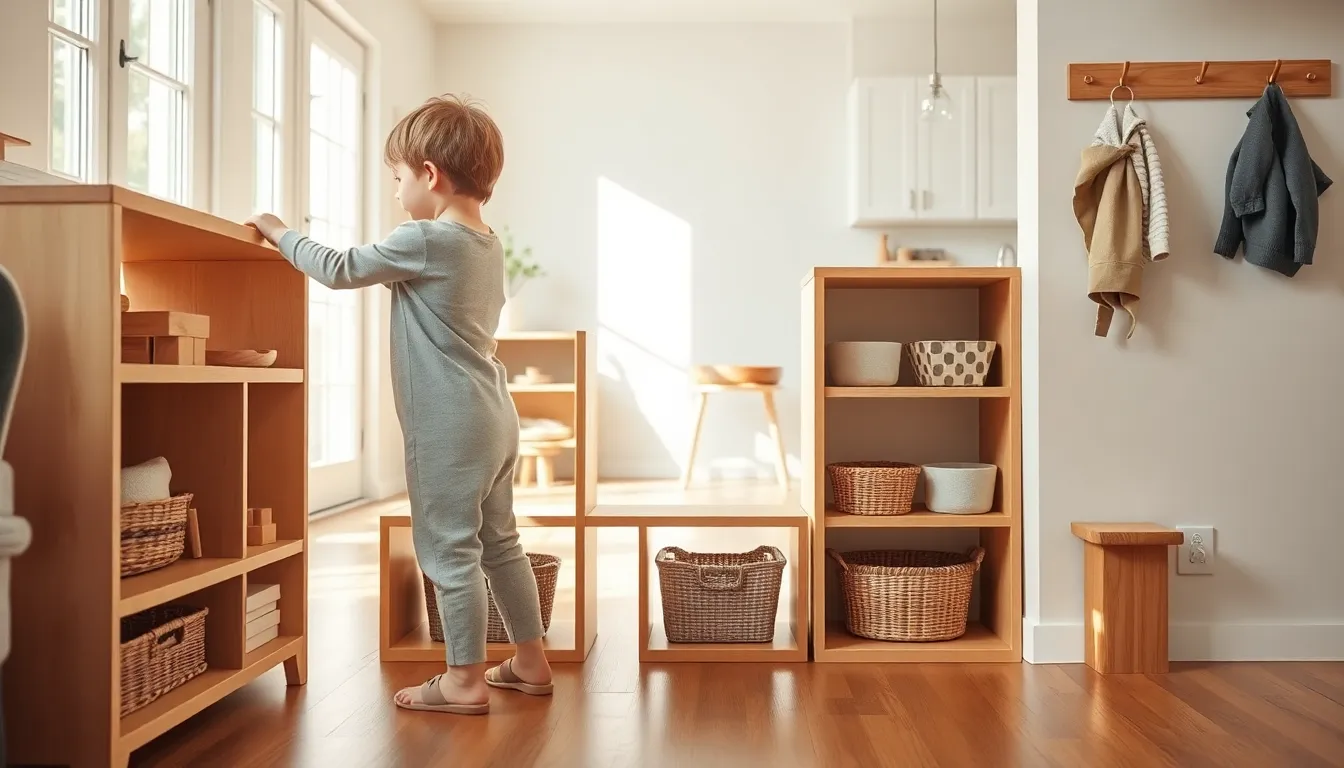
Parents searching for effective Montessori tips often share a common goal: they want their children to grow into confident, capable individuals. The Montessori method offers a proven framework for achieving exactly that. Developed over a century ago by Dr. Maria Montessori, this educational approach respects children as natural learners who thrive when given the right environment and freedom.
This guide provides practical Montessori tips that parents can apply at home. From setting up child-friendly spaces to selecting appropriate materials, these strategies help children build independence, focus, and a genuine love for learning. Whether a family is new to Montessori or looking to deepen their practice, these insights offer a clear path forward.
Table of Contents
ToggleKey Takeaways
- Montessori tips focus on respecting children as capable learners who thrive when given meaningful choices within clear limits.
- Create accessible, child-friendly spaces with low shelves, step stools, and organized materials to encourage independence.
- Break daily tasks into manageable steps and let children practice—messes are learning moments, not failures.
- Choose simple, natural toys made from wood or fabric that teach one concept at a time over flashy electronic gadgets.
- Balance freedom with consistent boundaries by stating rules positively and using natural consequences instead of punishments.
- Observe your child’s interests during sensitive periods and provide opportunities to explore those skills deeply.
Understanding the Montessori Philosophy
The Montessori philosophy centers on one powerful idea: children learn best when they direct their own education. Instead of adults dictating every activity, the child chooses what to explore. This simple shift changes everything.
Dr. Maria Montessori observed that children pass through “sensitive periods”, windows of time when they absorb specific skills with remarkable ease. A toddler might become obsessed with opening and closing doors. A preschooler could spend an hour arranging objects by size. These aren’t random behaviors. They’re signs of developmental readiness.
Key Montessori tips stem from understanding these core principles:
- Respect the child. Treat children as capable individuals, not passive recipients of knowledge.
- Follow the child. Observe what interests them and provide opportunities to explore those interests deeply.
- Prepared environment. Create spaces where children can access materials independently and work without constant adult intervention.
The Montessori philosophy doesn’t mean letting children do whatever they want. It means giving them meaningful choices within clear limits. A child might choose between two activities, but throwing toys isn’t an option. This balance between freedom and structure forms the foundation of effective Montessori tips for any household.
Creating a Montessori-Friendly Environment at Home
A Montessori-friendly home puts the child’s needs at the center of design decisions. This doesn’t require expensive renovations. It requires thinking from a child’s perspective.
Start with accessibility. Children should reach their belongings without asking for help. Low shelves hold toys and books. Step stools provide access to sinks and counters. Hooks at child height hold jackets and bags. These small changes send a clear message: “You can do this yourself.”
Organization matters too. One of the most practical Montessori tips involves limiting choices. Instead of a toy chest overflowing with options, display a curated selection of activities on open shelves. Rotate materials every few weeks to maintain interest. This approach reduces overwhelm and helps children focus.
Consider these room-by-room Montessori tips:
Bedroom: Use a floor bed so the child can get in and out independently. Place a small basket of books within reach. Add a mirror at floor level for infants.
Kitchen: Designate a low drawer or cabinet for child-safe dishes and utensils. Keep healthy snacks in accessible containers. Provide a learning tower so children can participate in meal preparation.
Bathroom: Install a step stool that stays in place. Use a small pitcher for rinsing. Keep a towel hook at the child’s height.
The goal isn’t perfection. It’s progress. Even one Montessori-inspired change can make daily life smoother for both parent and child.
Encouraging Independence in Daily Activities
Independence sits at the heart of Montessori education. Children want to do things themselves, and they should. Every task they master builds confidence and competence.
Practical Montessori tips for building independence start with daily routines. Getting dressed offers countless opportunities. Lay out two outfit choices the night before. Use drawers with picture labels so children know where things belong. Choose clothing with elastic waistbands and velcro closures for younger children.
Mealtimes present another chance to practice independence. Even toddlers can:
- Pour water from a small pitcher
- Spread butter on bread
- Peel a banana
- Set their own place at the table
- Clear their dishes after eating
Yes, things will spill. Crumbs will scatter. But these “messes” are actually learning moments. One of the best Montessori tips parents can remember: process matters more than results.
Self-care routines follow similar principles. Teach handwashing step by step. Show children how to brush their teeth, then let them practice. Demonstrate wiping up spills with a cloth. Children feel proud when they contribute to household tasks.
The key is breaking down activities into manageable steps. Don’t just say “clean your room.” Show the child how to put books on the shelf, then stuffed animals in the basket, then dirty clothes in the hamper. Sequence matters.
Patience matters too. Watching a three-year-old button a shirt takes time. But rushing in to “help” steals the learning opportunity, and the satisfaction of accomplishment.
Choosing the Right Montessori Materials and Toys
Montessori materials differ from typical toys. They serve a purpose. Each item teaches a specific skill or concept through hands-on exploration.
Traditional Montessori materials include the Pink Tower, Brown Stair, and Cylinder Blocks. These classic tools remain effective, but parents don’t need to purchase expensive classroom equipment. Many Montessori tips focus on affordable alternatives.
Look for toys and materials that share these characteristics:
- Made from natural materials. Wood, metal, cotton, and glass provide sensory feedback that plastic cannot match.
- Simple design. Avoid flashing lights, electronic sounds, and multiple functions. One toy should teach one concept.
- Open-ended. The best materials allow for creativity and multiple uses. Blocks, scarves, and play dough fit this category.
- Self-correcting. Children should be able to identify and fix their own mistakes without adult input.
Practical Montessori tips for choosing materials include:
For infants: mobiles, rattles, grasping toys, and soft fabric balls.
For toddlers: stacking toys, simple puzzles, sorting activities, and object permanence boxes.
For preschoolers: threading beads, cutting activities, matching games, and practical life tools like child-sized brooms.
Skip the battery-operated gadgets. They do the work for children instead of letting children do the work themselves. A simple wooden puzzle builds more skills than the fanciest electronic toy.
Quality beats quantity every time. Five well-chosen materials engage children more than fifty random toys.
Balancing Freedom With Boundaries
Freedom without limits creates chaos. Limits without freedom crushes curiosity. The Montessori approach finds the middle ground.
Effective Montessori tips for discipline start with the environment itself. When spaces are organized and activities are accessible, children have less reason to misbehave. A child who can reach their water cup doesn’t need to whine for help. A child with appropriate activities doesn’t destroy things out of boredom.
Clear expectations help children succeed. State rules positively: “We walk inside” instead of “Don’t run.” Keep rules few and consistent. Children remember three guidelines better than ten.
Natural consequences teach better than punishments. If a child refuses to wear a coat, they feel cold. If they spill milk while goofing around, they clean it up. These experiences create understanding that lectures cannot.
Montessori tips for handling conflicts include:
- Get down to the child’s eye level
- Acknowledge their feelings first
- State the limit clearly
- Offer alternatives when possible
- Follow through consistently
Respect goes both ways. Adults respect children’s autonomy. Children respect household rules. This mutual respect creates cooperation rather than power struggles.
Some days will be hard. Children test boundaries, it’s their job. But consistent, calm responses build trust over time. The Montessori tips that work best aren’t complicated. They’re about staying connected while staying firm.