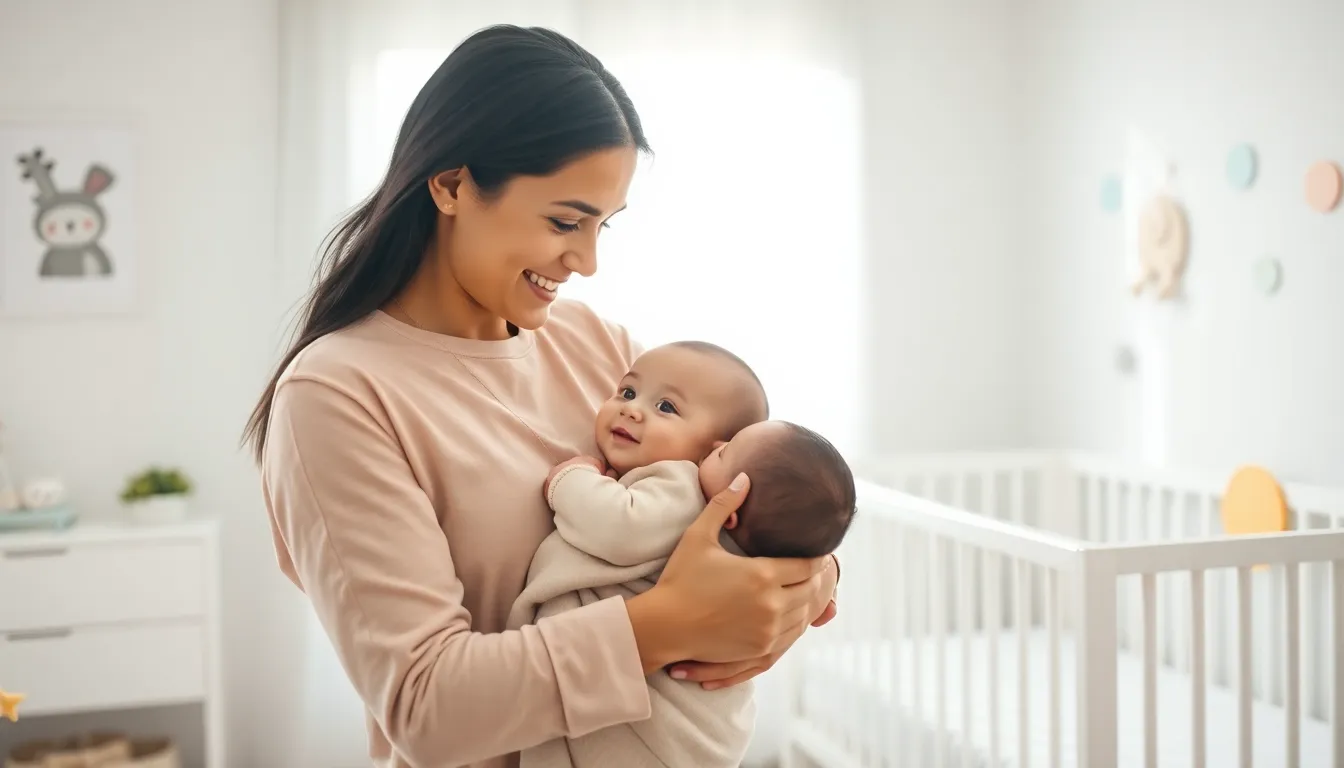
Every parent believes they have the best babies in the world, and they’re absolutely right. Each baby arrives with a unique combination of traits, temperament, and potential that sets them apart. But what actually makes a baby thrive? It’s not about comparing one child to another or hitting milestones at a specific pace. The truth is simpler: the best babies are the ones who receive love, attention, and an environment that supports their individual growth.
This article explores how parents can recognize their baby’s strengths, nurture their developing personality, and create conditions where their little one can flourish. Whether a baby is quiet and observant or energetic and vocal, understanding what makes each child special helps caregivers respond to their needs more effectively.
Table of Contents
ToggleKey Takeaways
- The best babies are those who receive love, attention, and an environment that supports their individual growth—not those who hit milestones fastest.
- Every baby develops at their own pace; variations in walking, talking, and other milestones are completely normal and rarely predict long-term outcomes.
- Understanding your baby’s unique temperament helps you respond appropriately and build a stronger parent-child bond.
- Responsive caregiving—reading cues and providing consistent, caring responses—builds secure attachment and emotional confidence.
- A safe, stimulating environment with predictable routines helps babies feel secure and supports healthy development.
- Celebrate your baby’s individual strengths rather than comparing them to others, and seek professional support if you notice significant developmental delays.
Developmental Milestones That Highlight Your Baby’s Growth
Developmental milestones give parents helpful markers to track their baby’s progress. These benchmarks cover physical, cognitive, social, and emotional growth during the first years of life. But, the best babies don’t follow identical timelines, each child develops at their own pace.
Physical Milestones
Most babies gain head control around 2-4 months. Rolling over typically happens between 4-6 months, while sitting independently often occurs around 6-8 months. Crawling usually begins between 7-10 months, and many babies take their first steps near their first birthday. Some babies skip crawling entirely and move straight to walking. This variation is completely normal.
Cognitive and Language Development
Babies begin recognizing familiar faces within their first few months. They respond to sounds, track objects with their eyes, and start babbling around 4-6 months. First words often emerge between 9-14 months. Some babies talk early and walk late. Others do the opposite. Both patterns reflect healthy development.
Social and Emotional Growth
Social smiles appear around 2-3 months, showing that babies are connecting with their caregivers. Separation anxiety often develops around 8-12 months, a sign that babies understand object permanence and have formed strong attachments. The best babies are those whose caregivers notice these changes and respond with patience and warmth.
Parents shouldn’t stress if their baby reaches milestones slightly earlier or later than charts suggest. Pediatricians assess overall patterns rather than isolated skills. A baby who takes longer to walk but shows strong problem-solving abilities is developing just fine.
Nurturing Your Baby’s Unique Personality
Babies arrive with distinct temperaments. Some are easy-going and adaptable. Others are more sensitive or intense. Recognizing a baby’s natural disposition helps parents respond appropriately and build a stronger bond.
Understanding Temperament Types
Researchers have identified several temperament categories. “Easy” babies adapt quickly to new situations and have regular eating and sleeping patterns. “Slow-to-warm-up” babies need more time to adjust to changes. “Active” or “spirited” babies show high energy levels and strong emotional reactions. None of these temperaments is better than another, the best babies are those whose parents understand and work with their natural tendencies.
Responding to Your Baby’s Cues
Babies communicate through cries, facial expressions, and body language long before they speak. A hungry baby might root or suck on their hands. An overstimulated baby might turn away or become fussy. Parents who learn to read these signals can meet their baby’s needs more effectively.
Responsive caregiving builds secure attachment. When babies learn that their signals receive consistent, caring responses, they develop trust and confidence. This foundation supports healthy emotional development throughout childhood and beyond.
Encouraging Natural Interests
Even young babies show preferences. One baby might be fascinated by music, while another prefers visual stimulation like colorful mobiles. Some babies love physical play and movement. Others enjoy quieter activities. Following a baby’s natural interests makes playtime more enjoyable for everyone and supports authentic development.
Creating a Supportive Environment for Your Little One
The environment plays a major role in helping babies thrive. The best babies benefit from safe, stimulating surroundings and consistent routines that support their growth.
Safety First
Baby-proofing creates space for exploration without constant restriction. Cover electrical outlets, secure heavy furniture to walls, and keep small objects out of reach. A safe environment allows babies to move freely and learn through discovery. This freedom supports both physical and cognitive development.
Stimulation Without Overwhelm
Babies need sensory experiences to develop properly. Colorful toys, different textures, music, and conversation all provide important input. But, too much stimulation can overwhelm young nervous systems. Watch for signs of overstimulation, fussiness, gaze aversion, or crying, and give babies quiet time to process their experiences.
The Power of Routine
Predictable routines help babies feel secure. Regular times for feeding, naps, and bedtime create a sense of order that babies find comforting. This doesn’t mean rigid schedules, flexibility matters too. But consistent patterns help babies understand their world and regulate their emotions more effectively.
Connection Over Perfection
The best babies don’t need perfect parents. They need present ones. Talking to babies during diaper changes, making eye contact during feeding, and responding to their sounds all build connection. These simple interactions matter more than expensive toys or elaborate activities.
Celebrating Individual Differences in Babies
Comparison is tempting but rarely helpful. Every baby follows their own developmental path, and the best babies are celebrated for who they are, not measured against others.
Moving Beyond Comparison
Social media and parenting groups can fuel unhealthy comparisons. One baby walks at 9 months while another takes 15 months. One baby sleeps through the night at 3 months while another wakes frequently for years. These differences rarely predict long-term outcomes. Einstein reportedly didn’t speak until age 4, yet he contributed groundbreaking work to physics.
Recognizing Diverse Strengths
Some babies excel at physical tasks. Others show early social awareness or problem-solving abilities. Some are naturally cautious: others are adventurous from the start. Each trait has value. A cautious baby might avoid dangerous situations that a more adventurous baby would stumble into. An active baby might develop motor skills faster than a quieter peer.
Supporting All Developmental Styles
Parents can support their baby’s unique strengths while gently encouraging growth in other areas. A baby who prefers solo play might benefit from gentle social exposure. A highly active baby might need extra opportunities for physical movement. Meeting babies where they are, rather than where parents think they should be, creates the conditions for healthy development.
When to Seek Support
While variation is normal, significant delays warrant professional evaluation. Pediatricians can assess whether a baby’s development falls within typical ranges. Early intervention programs help babies who need extra support catch up. Seeking help isn’t a failure, it’s responsible parenting that gives babies the best chance to thrive.